

From waterlogged plot to competition winning garden
We caught up with Daf, who won the Individual Garden category in the 2025 Stonewater Gardening Competition. Daf tells her story of how she went from waterlogged plot to competition winning garden, and a place to relax, socialise, and watch the birds and pollinators at work.
Want to enter the 2026 gardening competition? Click to get your entries in!
Can you tell us a bit about what your garden space looked like when you first moved in?
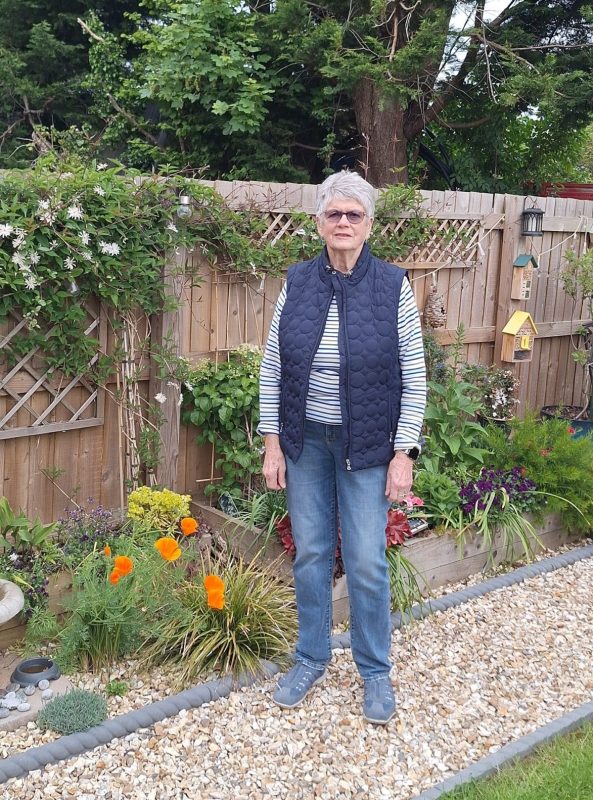
When we first moved in, we were excited to have a space that we could make our own. But we were soon concerned about the plants and shrubs we had potted up and wanted to bring with us, as we were unable to plant them. Our completion date had been delayed to October, and the garden had drainage issues. This meant we had thick mud all over the garden and a stream of unclean water running through it.
It was frustrating that we couldn't get started straight away. But the following August, after we moved in, we had French drainage installed to help improve the waterlogged garden. We were then able to begin.
How did you start to develop your garden?
Once the hard landscaping was done, we were excited to make a start.
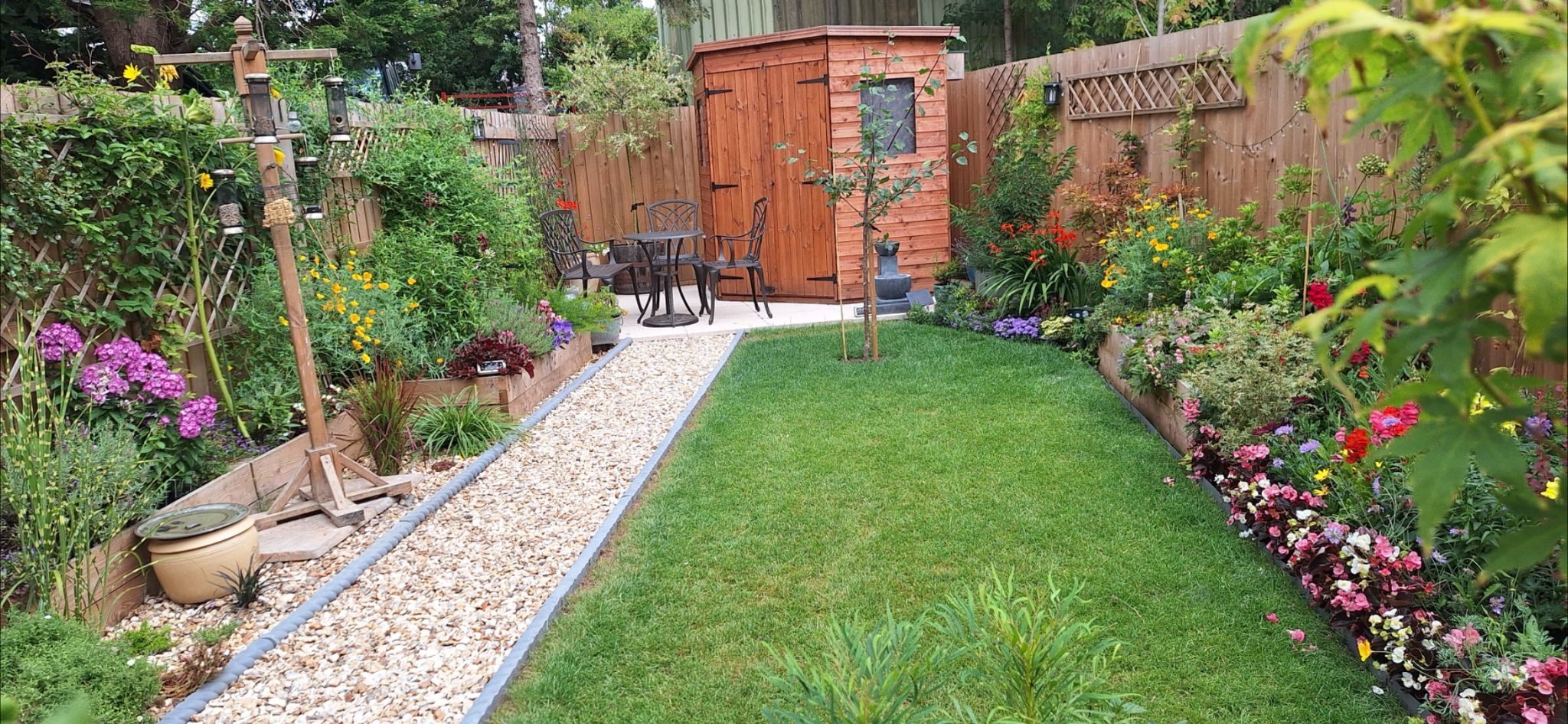
We’d created some designs of what we wanted our garden to be, and how we could make it work for us. We decided the first big job for us was to extend the patio so we could make space for a seating and barbecue area.
Our next focus was the main garden. We knew we wanted a grassy area, but the existing turf had been laid on clay and wasn’t in great condition. To give it the best chance, we removed it, added our own topsoil, and sowed a new lawn.
What were some of the biggest challenges you faced?
Due to the drainage that was all-round the edge of the garden we needed to create raised beds.
Although they can be restricting, you can be assured that your soil will be good and you can use the most suitable mix for the plants you choose. We also like that they add another dimension to the garden and they’re user friendly for our older generation!
How important was it for you to encourage wildlife, such as birds and pollinators, in your garden?
Our garden is an extension of our home, where we can relax and enjoy the surroundings.
We feel it is very important to encourage wildlife and pollinators, which is one of the aims for our garden. We have installed a bird box, which has attracted some blue tits that are very active right now.
Plus, we have added three bee houses, three insect wood piles, and sown twilight wildflower seeds.
Did your garden designs change, and do you have any other plans?
We adapted the designs as we went along. We did have a couple of climbers that got too big, so we rehomed and replaced them. We had a few other plants that need relocating, and one or two that didn’t survive.
We haven’t got any other big plans for the garden. But we’re always on the lookout for plants within our colour scheme that encourage pollinators.
We have nearly reached our limit of space though! The number of pots on the patio is steadily increasing!
What motivated you to enter the gardening competition, and what did it mean to win?
I entered the competition to show just what could be achieved in a short space of time, albeit with a lot of hard work. I also felt it would encourage others to have a go.
Winning was a big surprise, a privilege, and an added bonus.
What advice would you give to others who are starting a garden on a new development?
- My first bit of advice is to check your soil, and if necessary, you can supplement it.
- When choosing plants, first check where the sun falls in your garden and identify which areas are sunny or shaded. Also, consider which spots are sheltered and which are more exposed.
- Take a look at neighbours’ gardens to notice which plants are growing well and speak to them about what’s been working. Setting up a garden is not cheap, so you want as few failures as possible.
- We like to find expensive plants at our local garden centres that have reduced prices. It gives us great satisfaction to nurture them back to healthy plants. It also helps with the budget.
- Measure your plot and make a scale plan (or several). Ours changed a few times. You can use these to help with your design/s. I cut out paper shapes of the beds so that I could rearrange them easily.
- Decide what your focus is and what you want to include. Think about how you want your garden to work for you? I was really pleased when I worked out, I could include a 3mx1m raised bed for growing herbs and a few salad veg.
- Another thing to think about is how colours, textures, contrasts, shapes, and the different heights and levels of plants work together.
Finally, what’s your favourite way to enjoy your garden?
We love looking at the development of our plants, how the garden changes from week to week, and just enjoying the shapes and colours. We can sit and relax, watch the birds visiting the feeders, and see all the pollinators at work.
We savour our beautiful surroundings and appreciate what we have achieved in our small haven.
Are you ready to enter this year's gardening competition?
It's quick and easy. All you need to do is choose your category, submit up to three photos, and write a couple of sentences about your garden.
There are prizes to be won too!